Little Christmas Display
First Impression: A Festive Visual Statement
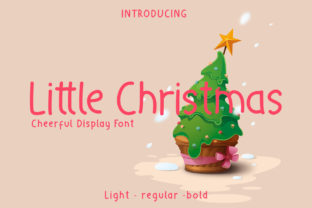
The first time I saw Little Christmas, I was immediately drawn to its warm, inviting aesthetic. It feels like a cozy winter scene captured in a graphic design asset that’s both charming and versatile. The mood is festive yet approachable, making it perfect for a wide range of buyers who appreciate holiday cheer without the overwhelming complexity of traditional Christmas themes.
Little Christmas has a subtle, handmade feel that resonates with small business branding and creative entrepreneurs. It’s not overly bold or garish, which makes it suitable for both digital product creators and those looking to build a brand identity centered around simplicity and charm. This visual personality could attract customers who are into minimalistic design, rustic aesthetics, or even those who want something that feels slightly whimsical but still professional.
Where Little Christmas Fits Best
Little Christmas shines in environments where a touch of holiday magic can elevate a product without overshadowing its purpose. Here are some key areas where this graphic design asset excels:
- Printable wall art: Its clean lines and soft color palette make it ideal for large-format prints that can be used in home decor or seasonal displays.
- Canva templates: Whether you're creating social media graphics, blog posts, or email campaigns, Little Christmas adds a festive flair without being too distracting.
- Cricut projects: The design’s clarity and simplicity make it great for sticker designs, t-shirt graphics, and mug prints.
- Product mockups: When paired with appropriate backgrounds and typography, it works well as a decorative element in mockups for digital downloads or print-on-demand items.
- Seasonal bundles: It’s an excellent addition to themed collections, especially during the holiday season or for businesses that sell year-round festive products.
- Digital paper packs: As part of a design bundle, Little Christmas can serve as a foundational element for planners, calendars, and other printable content.
Its versatility means it can be used across multiple platforms, including Etsy, Creative Fabrica, and Shopify, helping sellers create a cohesive brand identity that feels intentional and well-curated.
Testing Before Publishing
As an experienced digital product creator, I always recommend testing assets like Little Christmas before publishing them as Etsy products or digital downloads. Here’s how I would approach it:
- Mockup previews: Use online tools to see how Little Christmas looks on different product types, such as mugs, tote bags, or t-shirts. This helps identify any potential issues with scale, contrast, or readability.
- Thumbnail appeal: Test the design as a marketplace thumbnail. A strong visual presence here can significantly impact click-through rates and customer interest.
- Background testing: Check how it performs on both white and dark backgrounds. This is crucial for ensuring it works well in various contexts, from social media graphics to packaging design.
- Print quality: Verify file resolution and PNG transparency. High-quality prints are essential for maintaining the integrity of your brand and ensuring customer satisfaction.
- SVG cut quality: If using Little Christmas for Cricut or Silhouette projects, inspect SVG files for clean cutting lines and avoid overly complex elements that might cause issues with die-cutting.
By taking these steps, you can ensure that Little Christmas is not only visually appealing but also functional and ready for commercial use.
Risks to Consider
While Little Christmas is a strong asset, there are certain scenarios where it may not perform as well:
- Tiny sticker details: If used in small-scale sticker designs, the intricate elements of Little Christmas might become less visible or lose their charm.
- Overly complex layouts: Avoid placing it in text-heavy templates or crowded thumbnails, as it can get lost among other design elements.
- Low-resolution prints: Ensure that the final product uses high-resolution files to maintain clarity and quality.
- Dark backgrounds: While Little Christmas works well on light backgrounds, it may require additional adjustments when placed on darker surfaces.
- Weak contrast: Always test the design against different color schemes to ensure it remains legible and visually engaging.
Being mindful of these considerations will help you maximize the potential of Little Christmas while minimizing the risk of poor user experience or negative feedback from customers.
Practical Seller Notes
When working with Little Christmas, keep these tips in mind:
- Organize files clearly: Label all versions (PNG, SVG, etc.) and provide clear instructions for customers to ensure they can use the asset effectively.
- Pair with complementary fonts: Experiment with serif, sans-serif, script, and display fonts to find the best combination for your brand’s visual hierarchy.
- Confirm commercial licensing: Always verify that the asset has a valid commercial license before selling finished products, especially if you plan to use it across multiple platforms.
- Test across platforms: Ensure that Little Christmas works well in both digital marketplaces and print-on-demand services.
- Use for brand consistency: Incorporate it into your overall brand identity, whether through packaging design, social media graphics, or promotional visuals.
With careful planning and testing, Little Christmas can be a valuable addition to your digital product collection, helping you create a more professional and appealing offering for your customers.